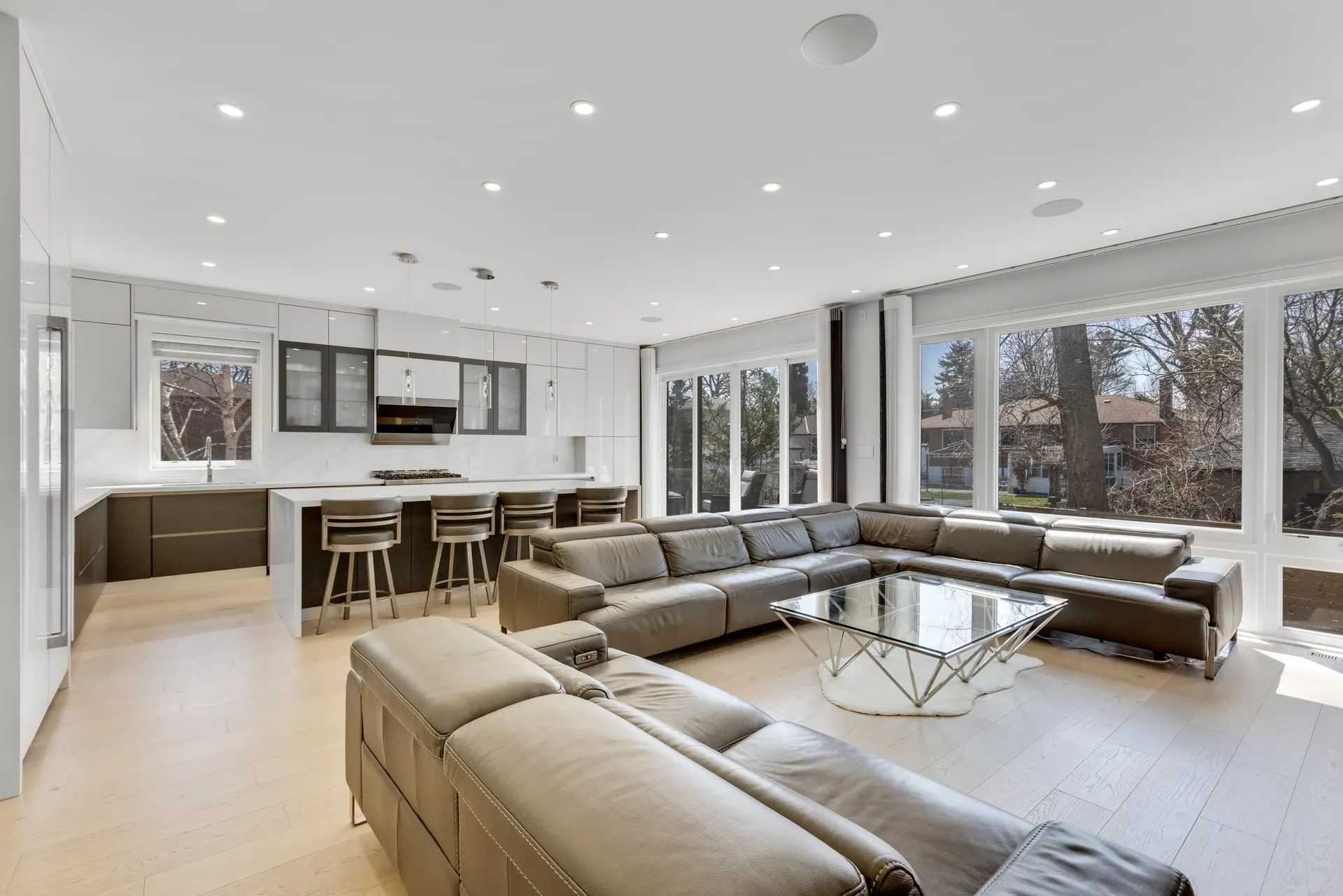
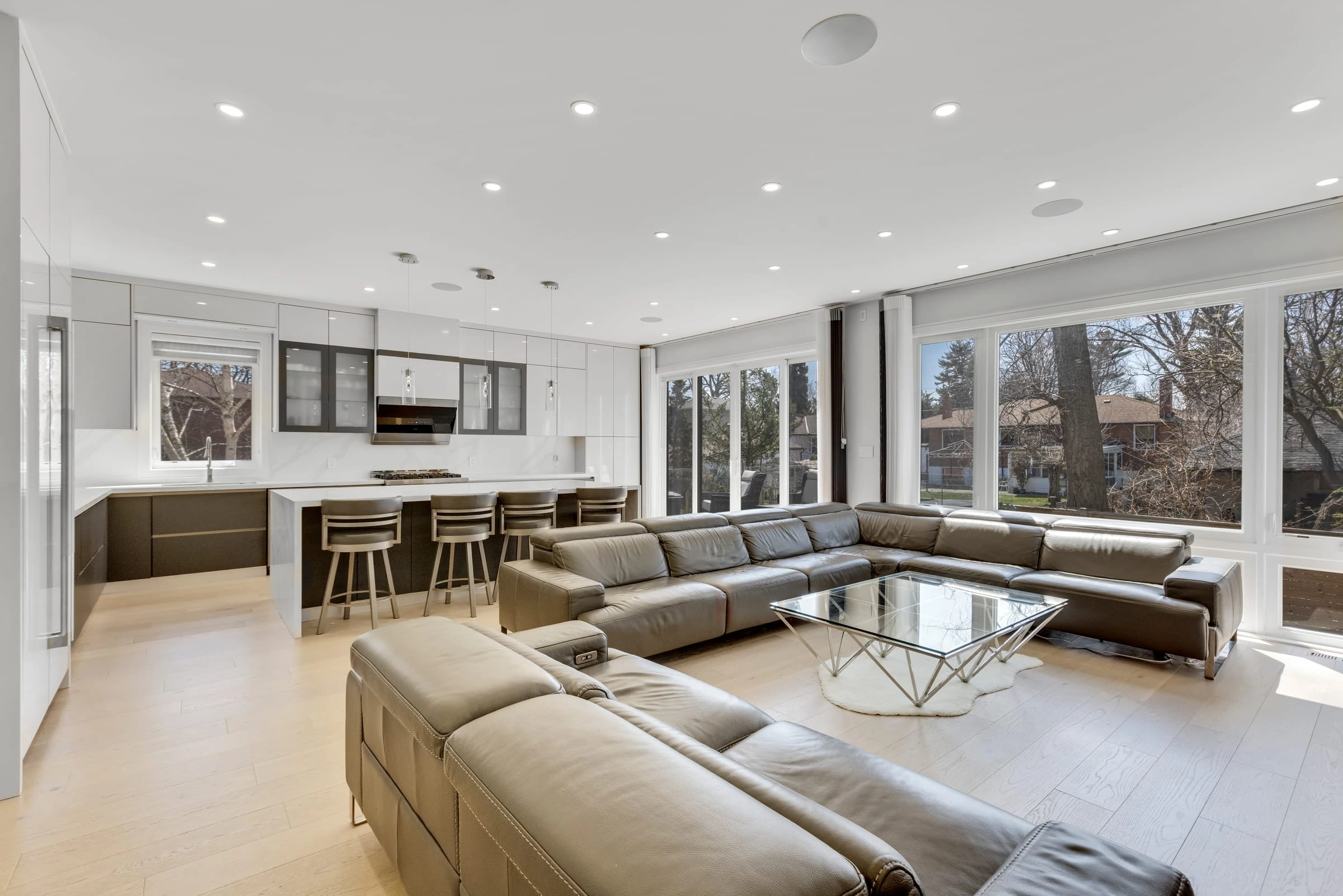
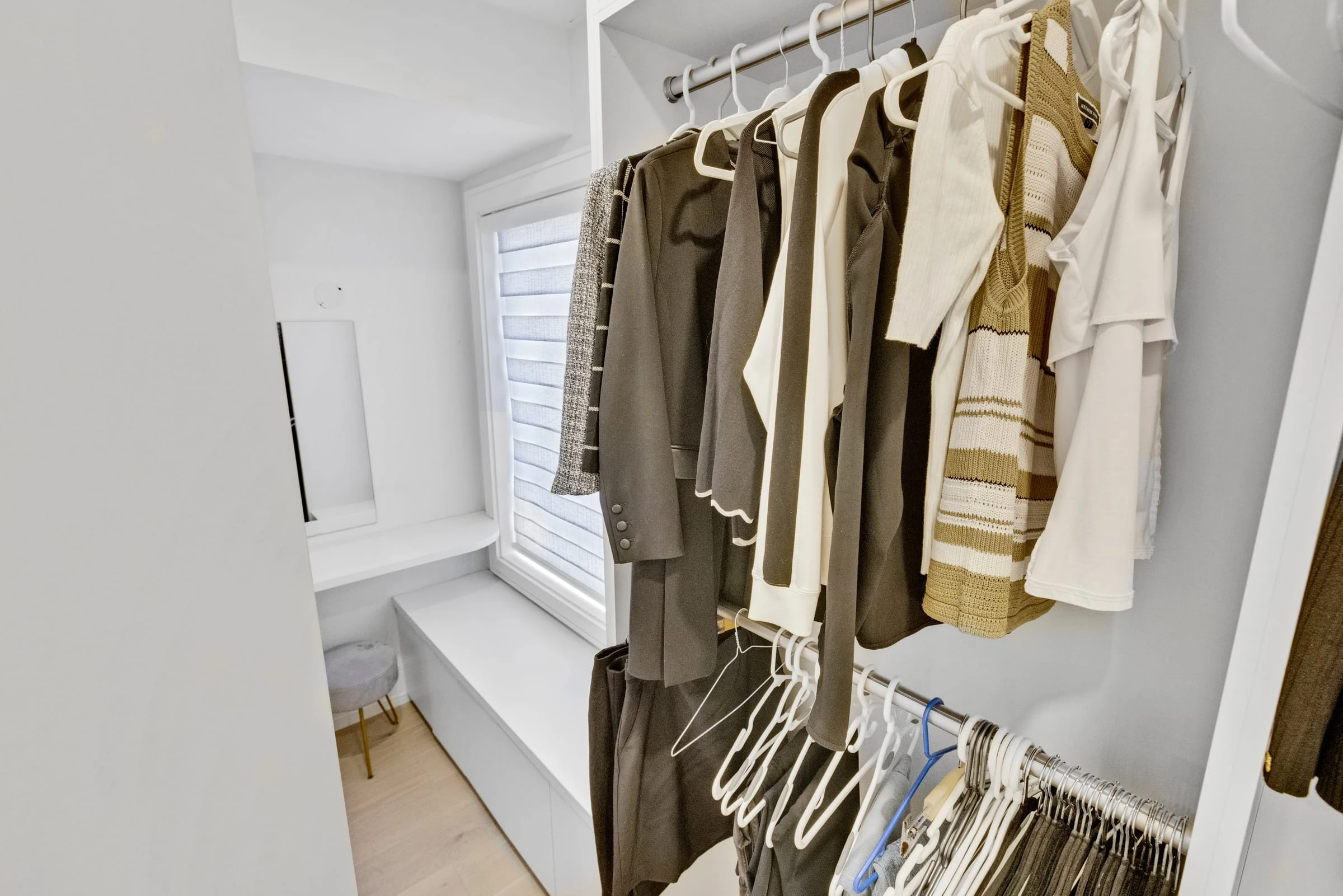
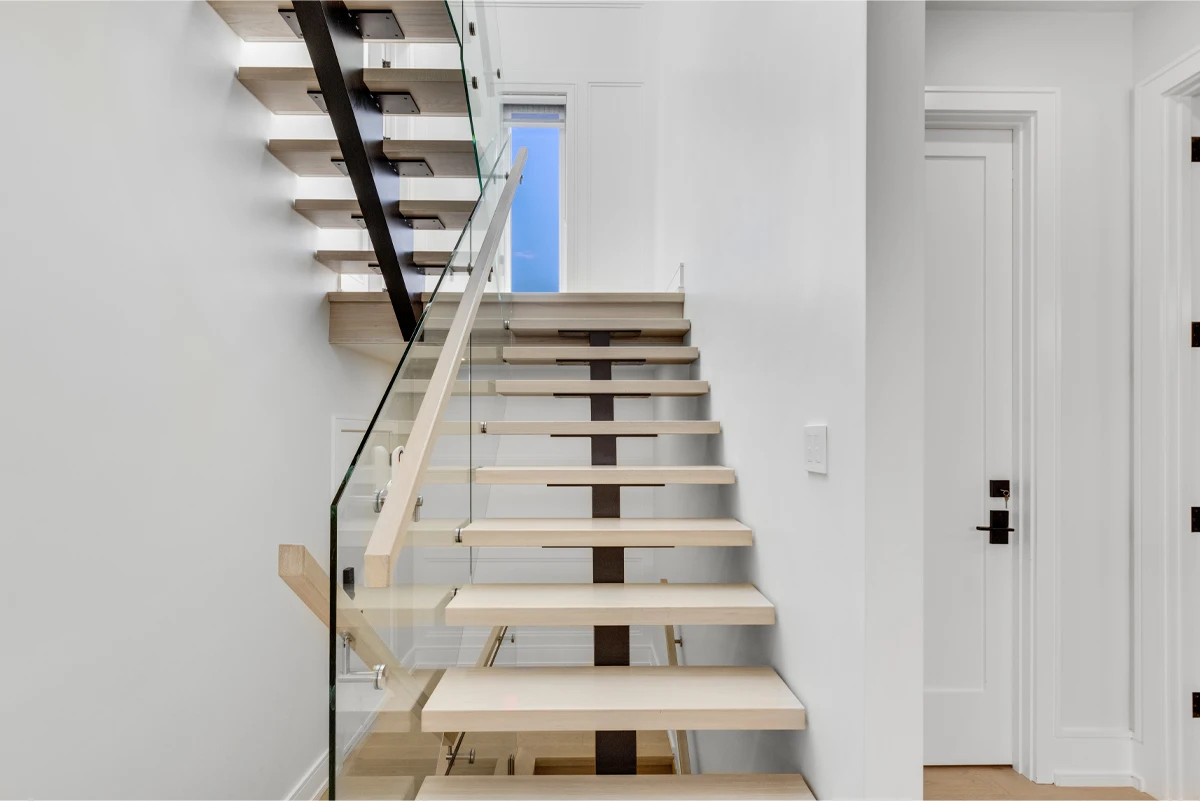
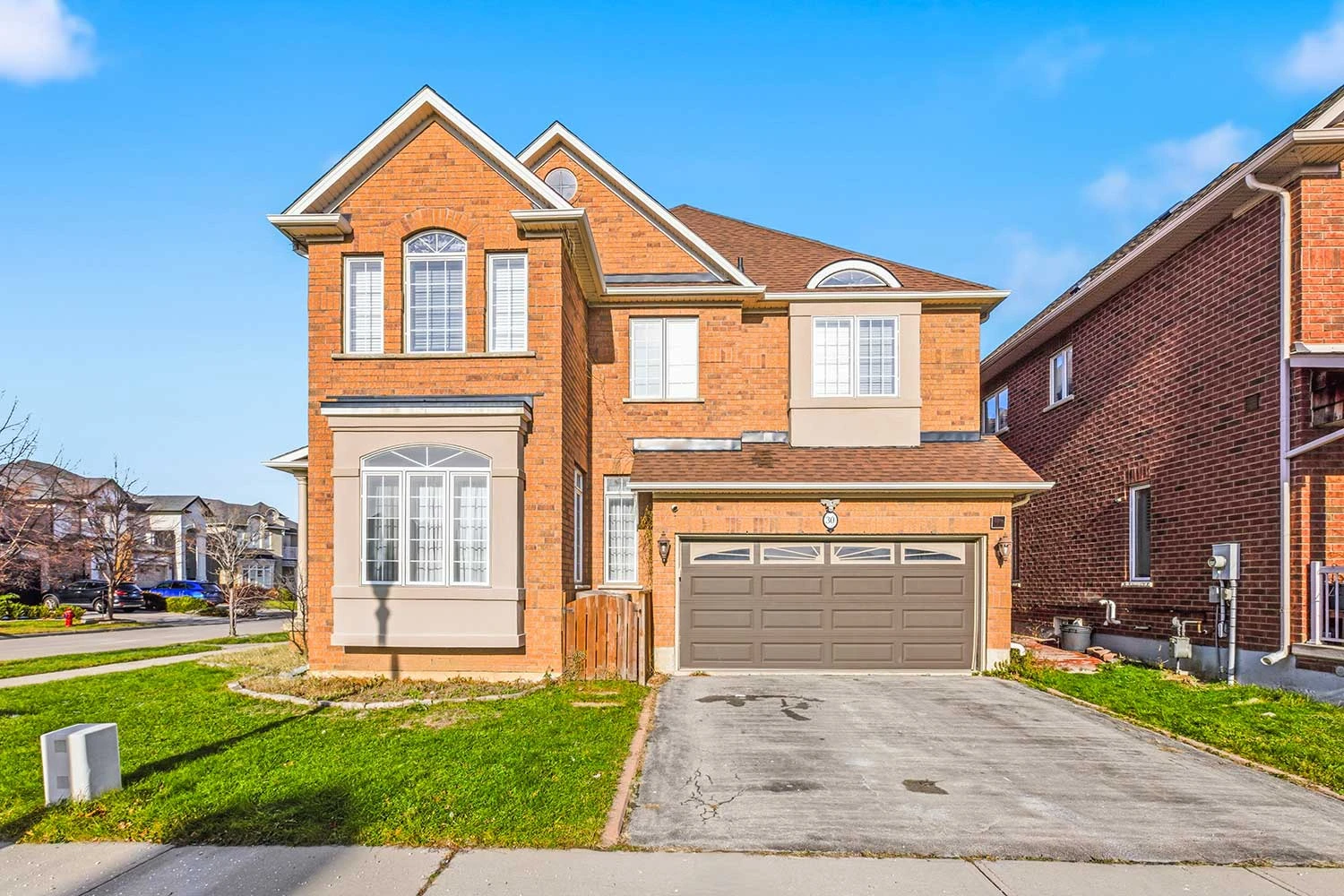
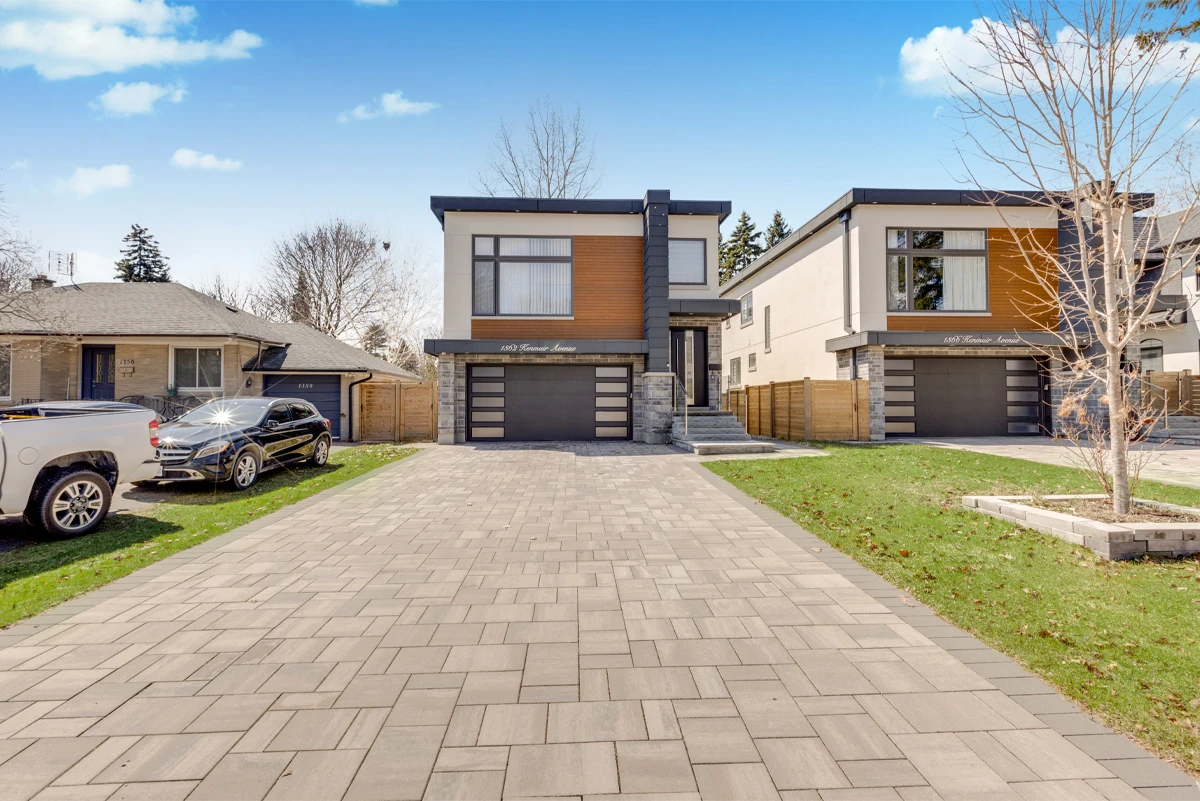
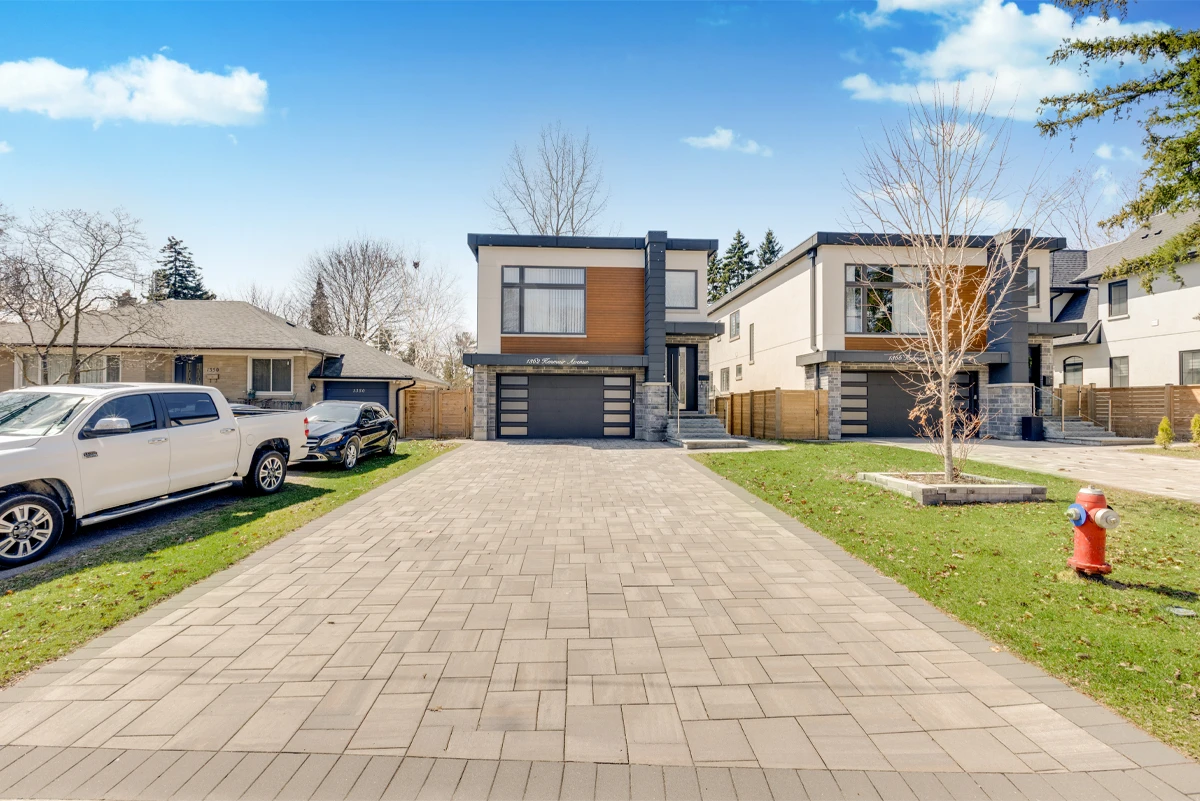
Toronto is the hardest place in the region to shoot well, and the easiest place to shoot badly without anyone noticing until the listing sits.
The constraint is physical before it is anything else. On a Leslieville semi you are working in rooms that are eleven or twelve feet wide, with a neighbour’s wall on one side and windows that face a fence. There is no position to back into. The temptation is to reach for the widest lens available, and that is exactly what produces the listings where the living room looks cavernous online and disappointing in person — which costs you the showing’s second visit, not the first.
Where aerials fit, and where they do not
We would rather say this plainly than sell you something. A large share of Toronto addresses sit under Billy Bishop’s control zone or Pearson’s, and routine drone work there is either not permitted or requires an authorization that will not come through on your timeline. If your listing is in Lawrence Park or the Bluffs, aerials are usually workable and often worth it. If it is a Queen West semi, they usually are not, and the money is better spent on interiors and a tour.
We check this per address before you book, not after.
What actually moves a Toronto listing
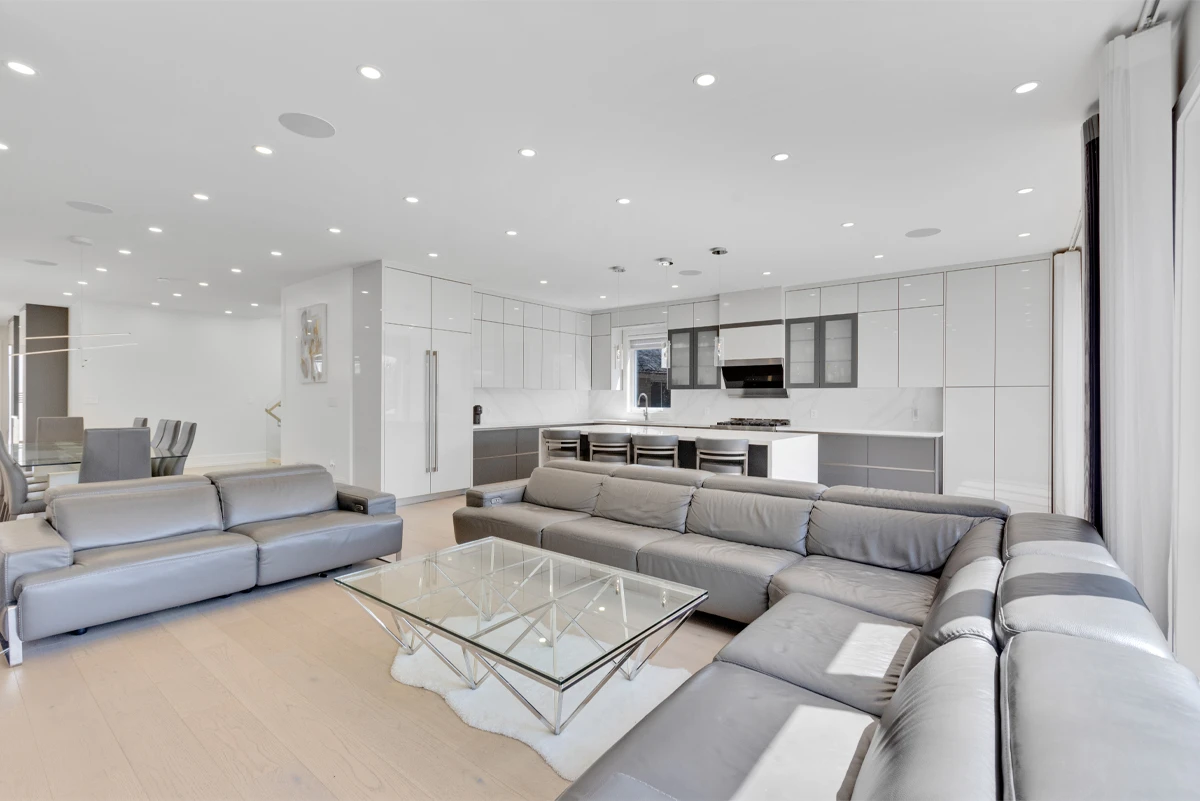
Interiors, done properly. Straight verticals, windows that hold their view instead of blowing out to white, and colour that matches what the room actually looks like. Then a floor plan, because Toronto’s older housing stock has layouts that photographs alone cannot explain — the back addition, the half-storey, the finished basement with the separate entrance that is half the value of the property.
Aerials and video are upgrades on top of that foundation. In this city they are rarely the foundation itself.