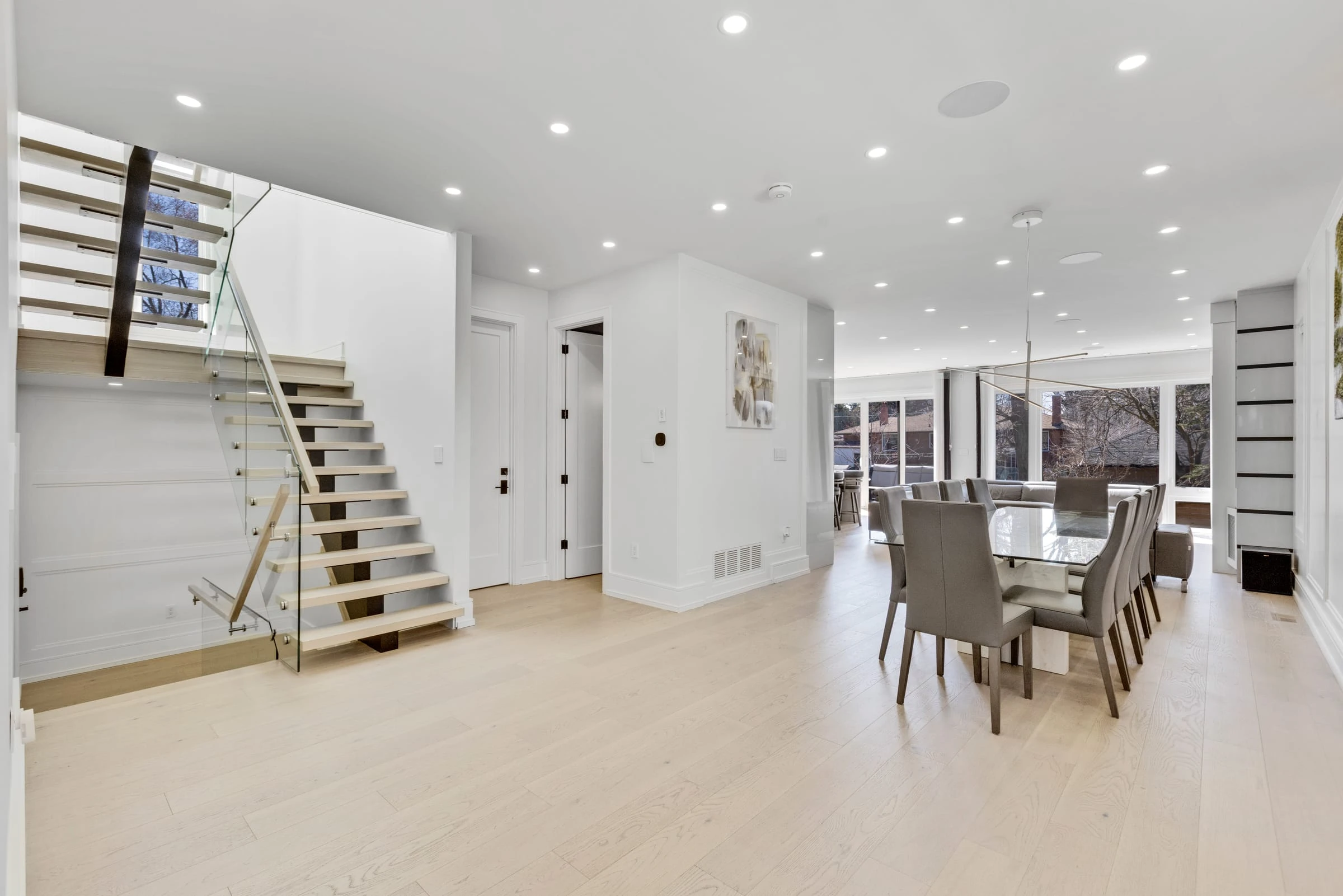
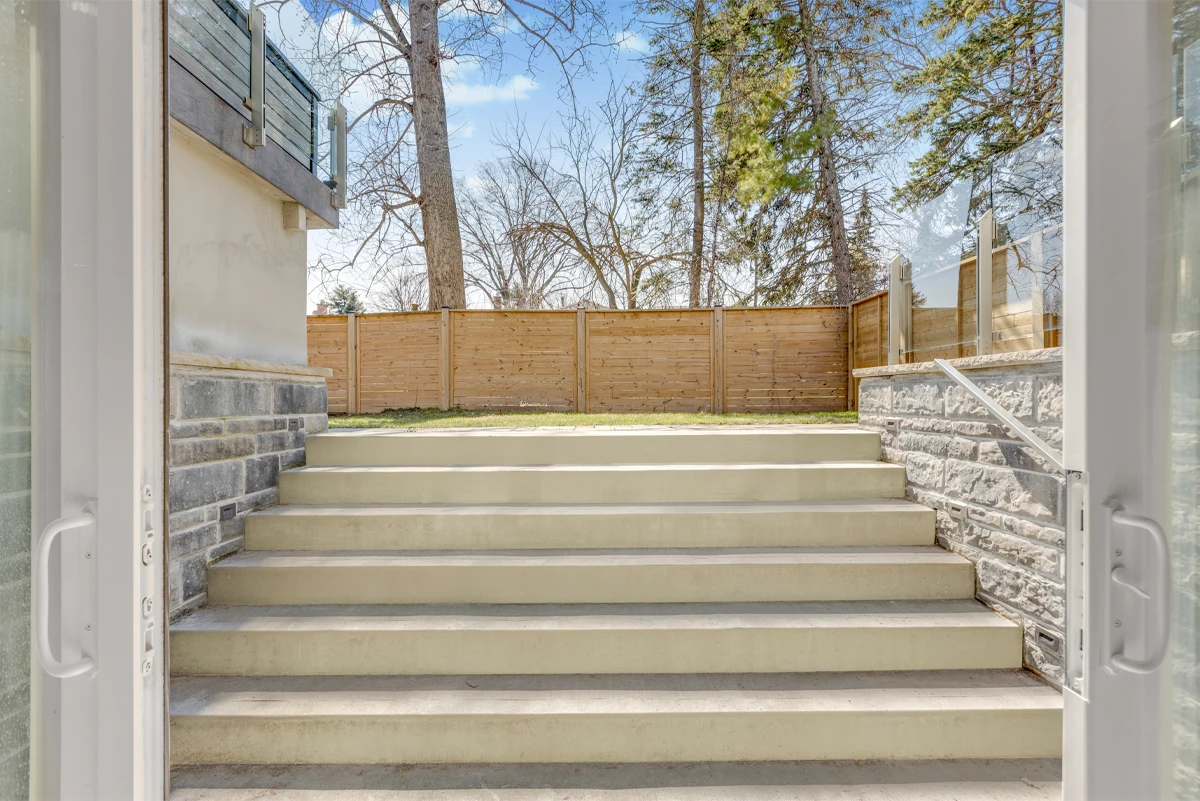
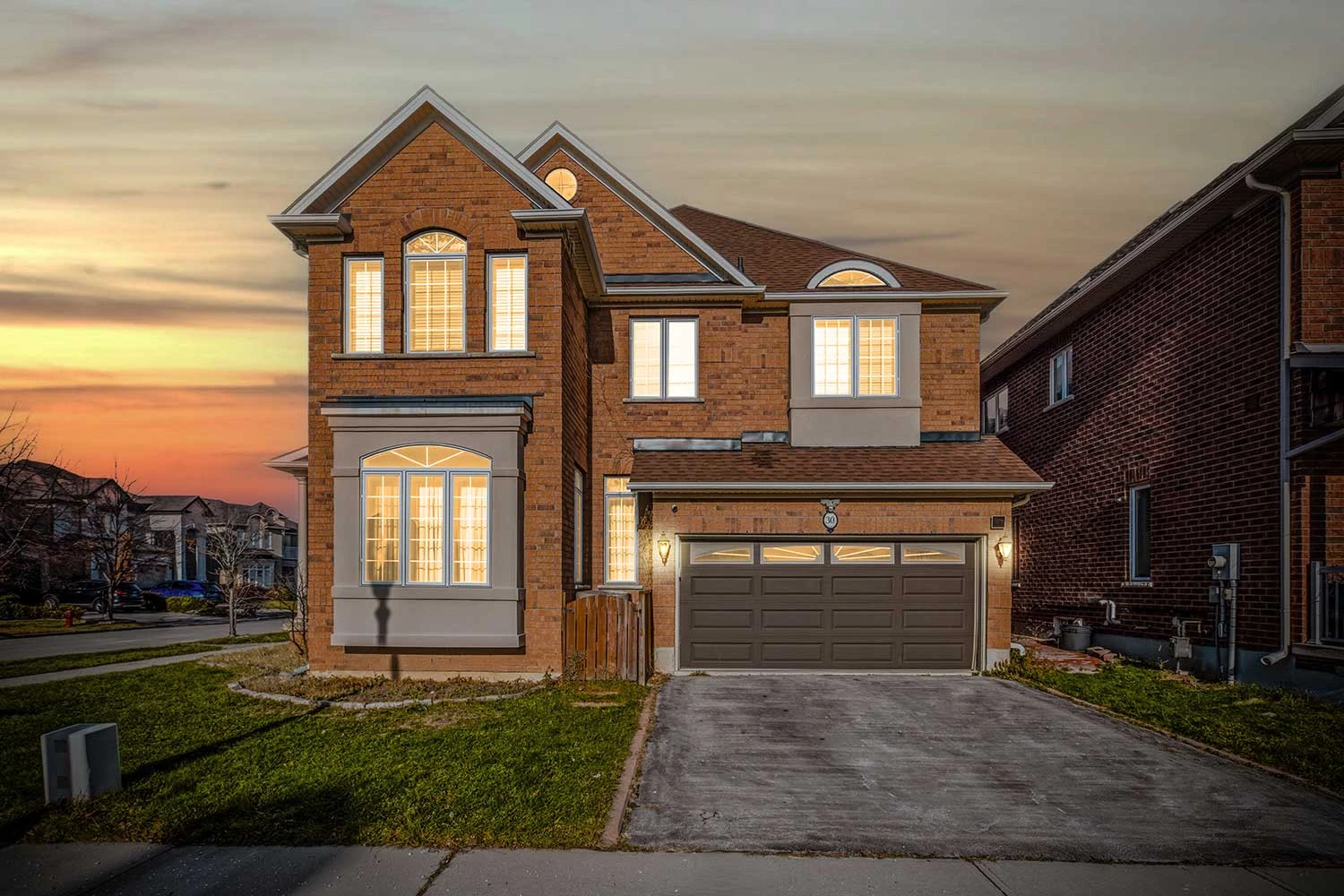
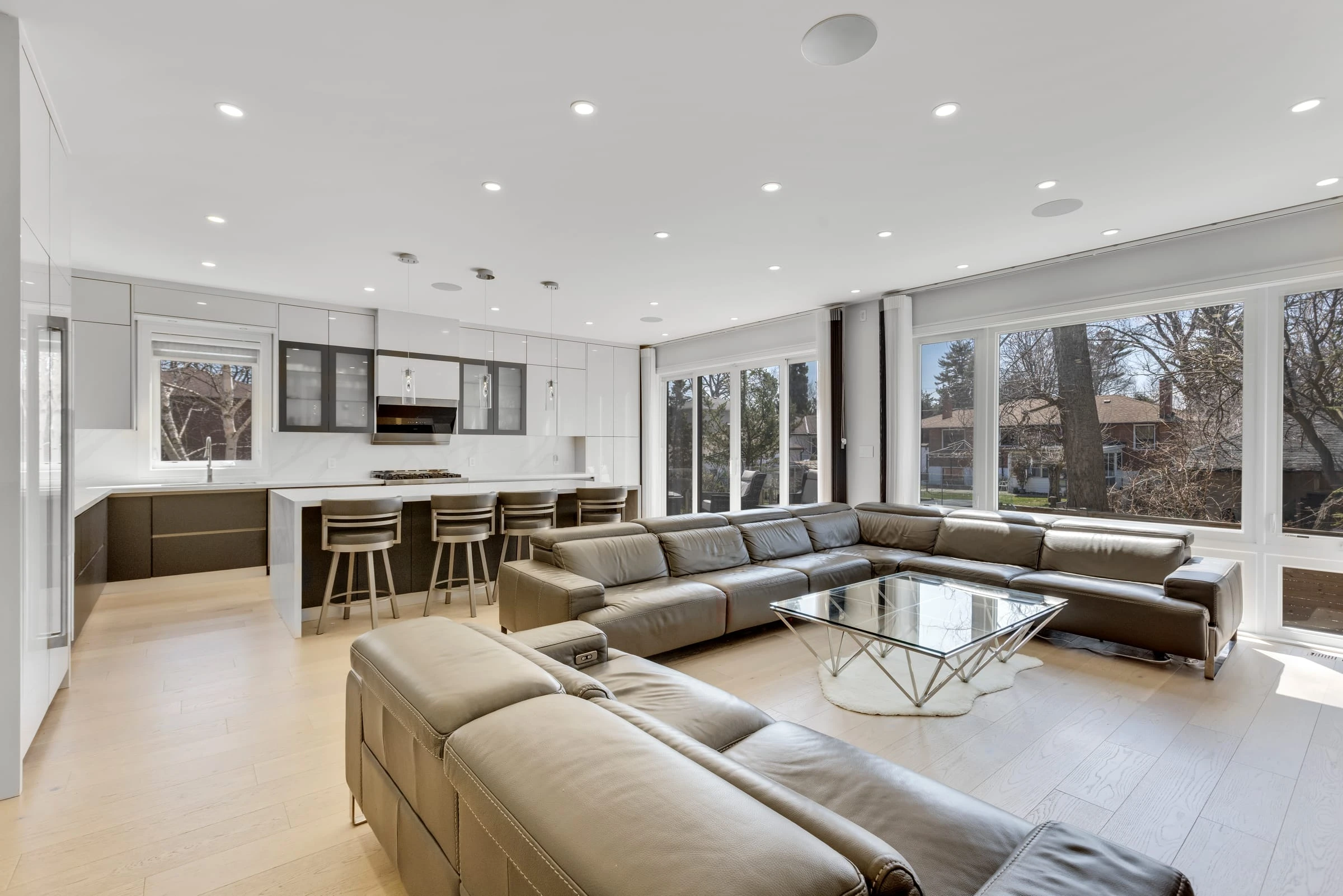
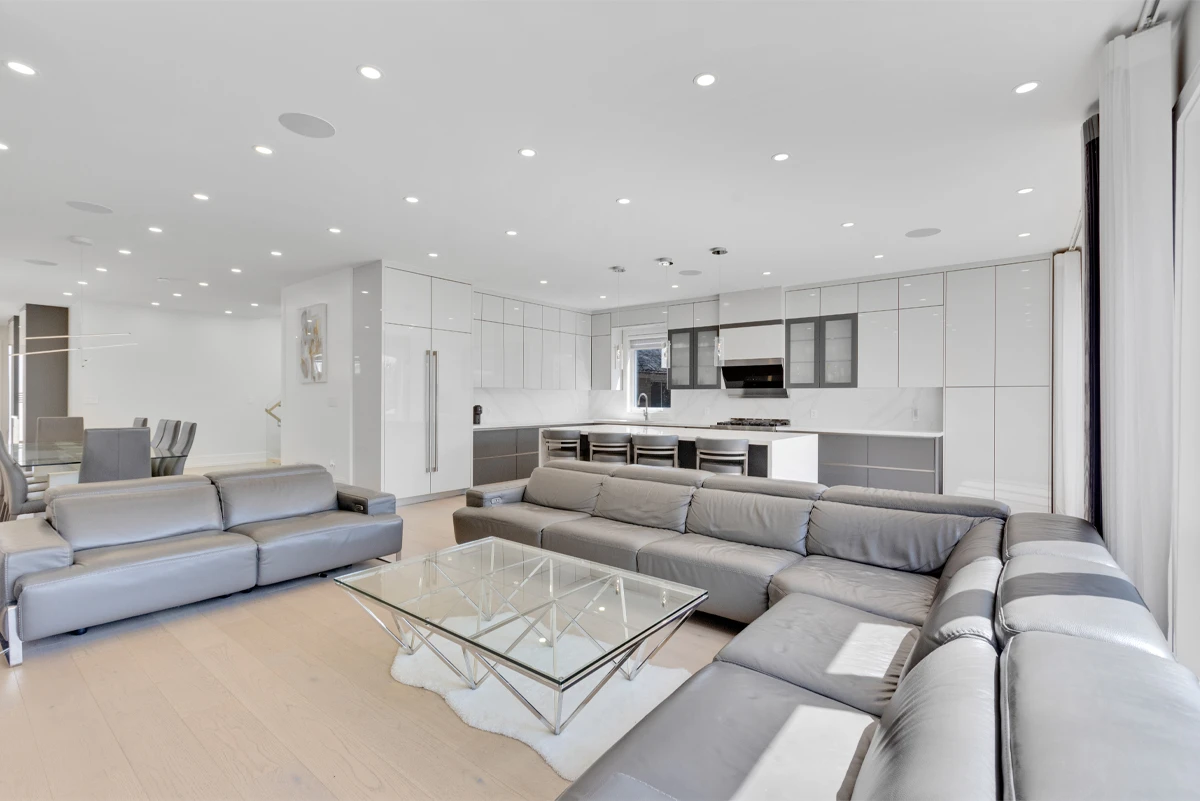
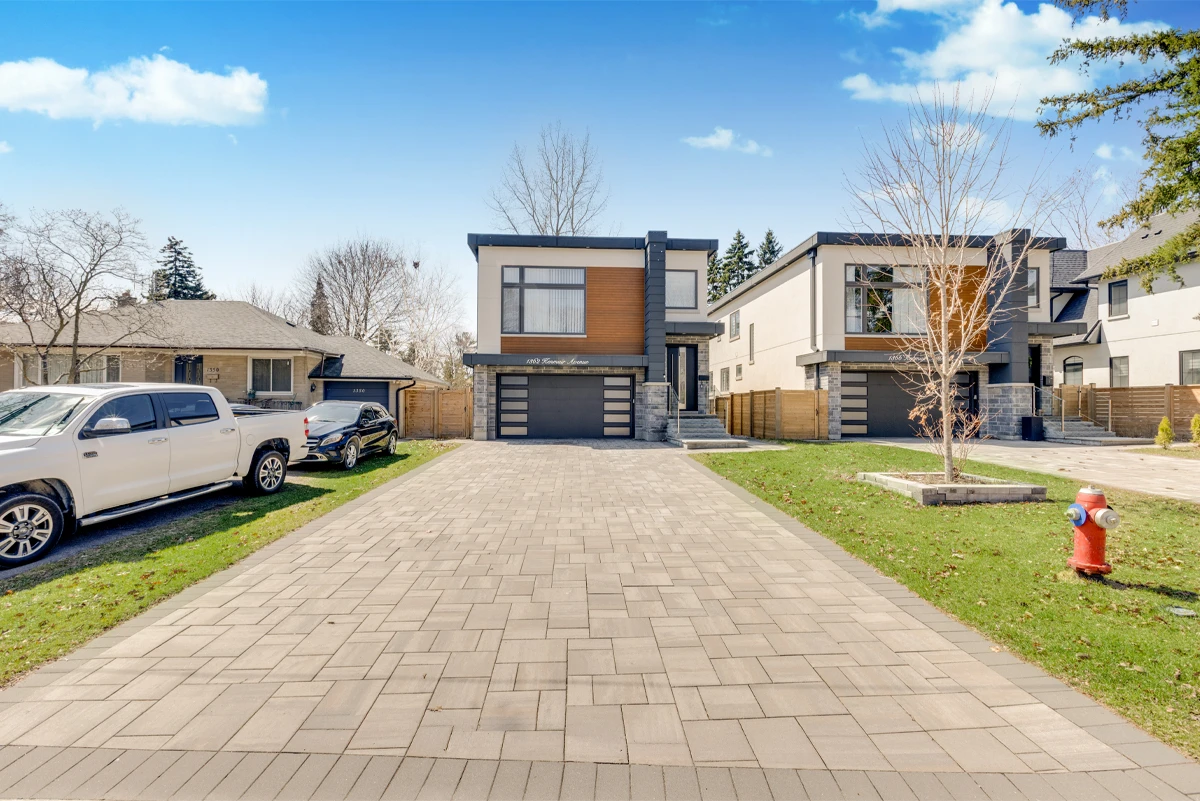
Hamilton covers more housing variety than anywhere else we work. A century brick semi in Kirkendall, an estate property in Ancaster, a mountain subdivision build and a Stoney Creek townhouse are four genuinely different assignments, and the only thing they share is a municipal boundary.
Century stock needs different treatment
The neighbourhoods below the escarpment, among them Durand, Kirkendall, Westdale and Corktown, carry a lot of intact original detail. Deep baseboards, original staircases, leaded glass, plaster mouldings, sometimes original hardwood. That detail is a significant share of why those homes command what they do.
It is also the first thing lost to standard listing photography. Flat, even, shadowless lighting across a room renders trim as a flat white line and glass as a bright rectangle. Showing it properly means allowing some directional light and shooting some frames closer than a conventional room shot, which takes longer but returns the thing the buyer is actually paying a premium for.
Buyers who do not know the city
A meaningful share of Hamilton listings are seen first by people relocating from Toronto, Oakville or Burlington who have a limited sense of the neighbourhoods. They cannot mentally fill in the street, the surroundings, or the property’s position relative to the escarpment or the downtown. A local buyer supplies all of that automatically.
For those listings, establishing context is not decoration. Frames that show the street and setting honestly are doing a large part of the work, and they tend to reduce the number of showings that were never going to go anywhere.
Airspace
Hamilton International sits within the city rather than outside it, and its control zone reaches across a substantial area including much of the mountain. Aerials there require an Advanced-certified pilot and authorization from NAV CANADA. Dundas, Waterdown and the western neighbourhoods are generally freer.
This is one of the places where the answer genuinely changes street by street, so we check the address at booking rather than quoting aerials and sorting it out later.
Ancaster, Dundas and the escarpment properties
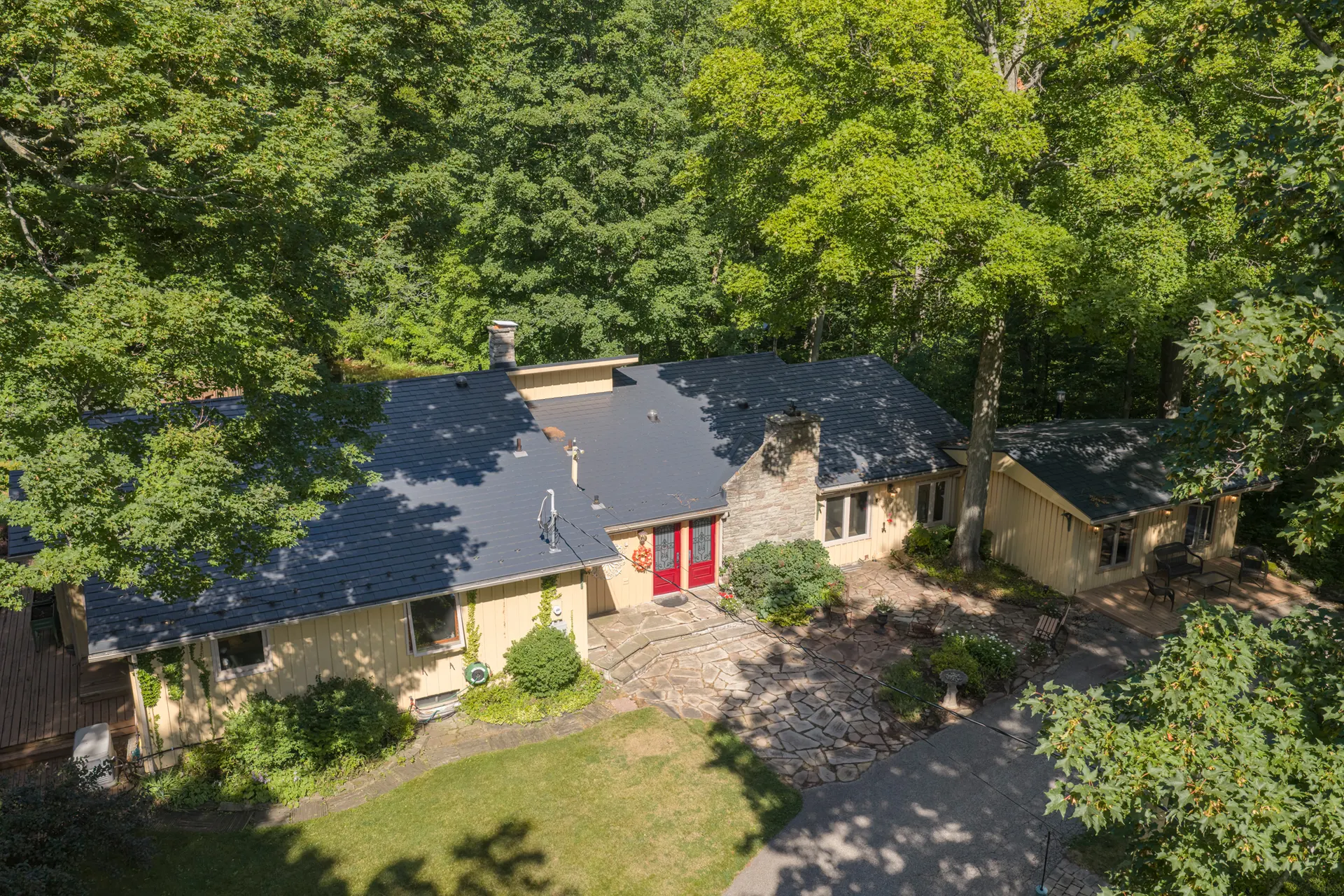
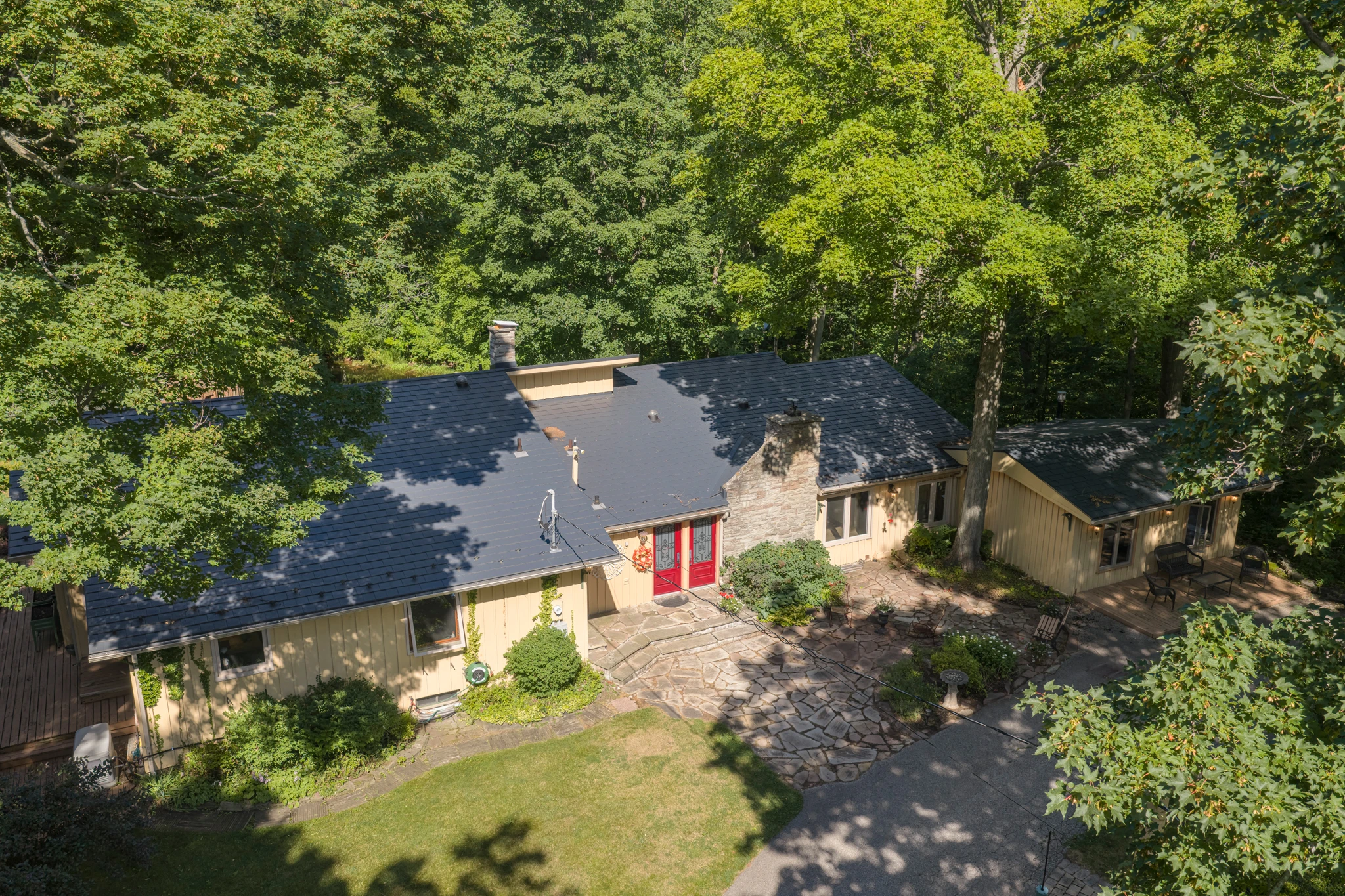
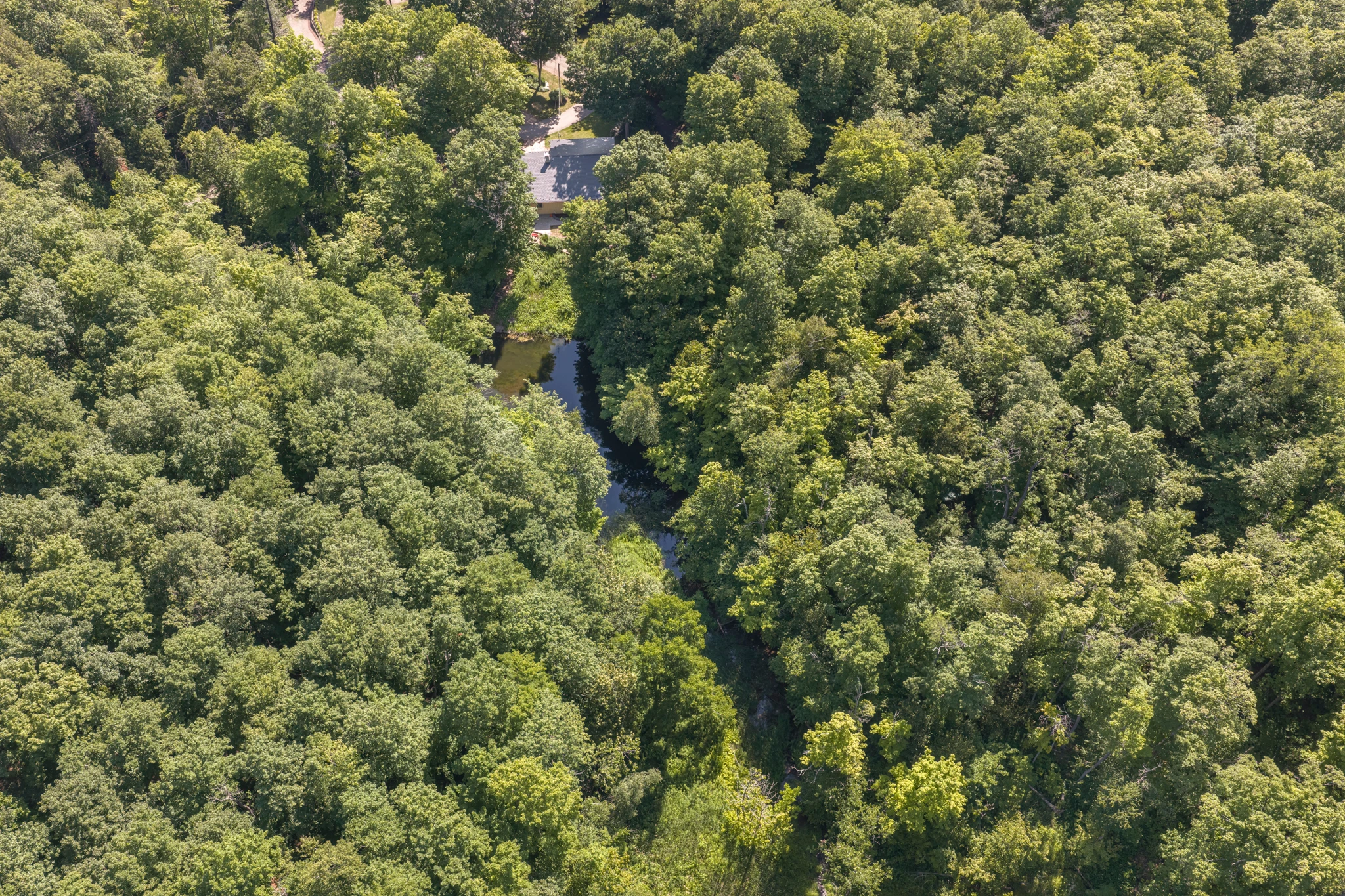
The estate stock in Ancaster and Dundas is the closest thing Hamilton has to Lorne Park or south Oakville, with one advantage neither of those has: real topography. A property backing onto the escarpment, the Dundas valley or the Bruce Trail is selling a setting that does not exist anywhere else in our coverage area, and it is completely invisible from the curb.
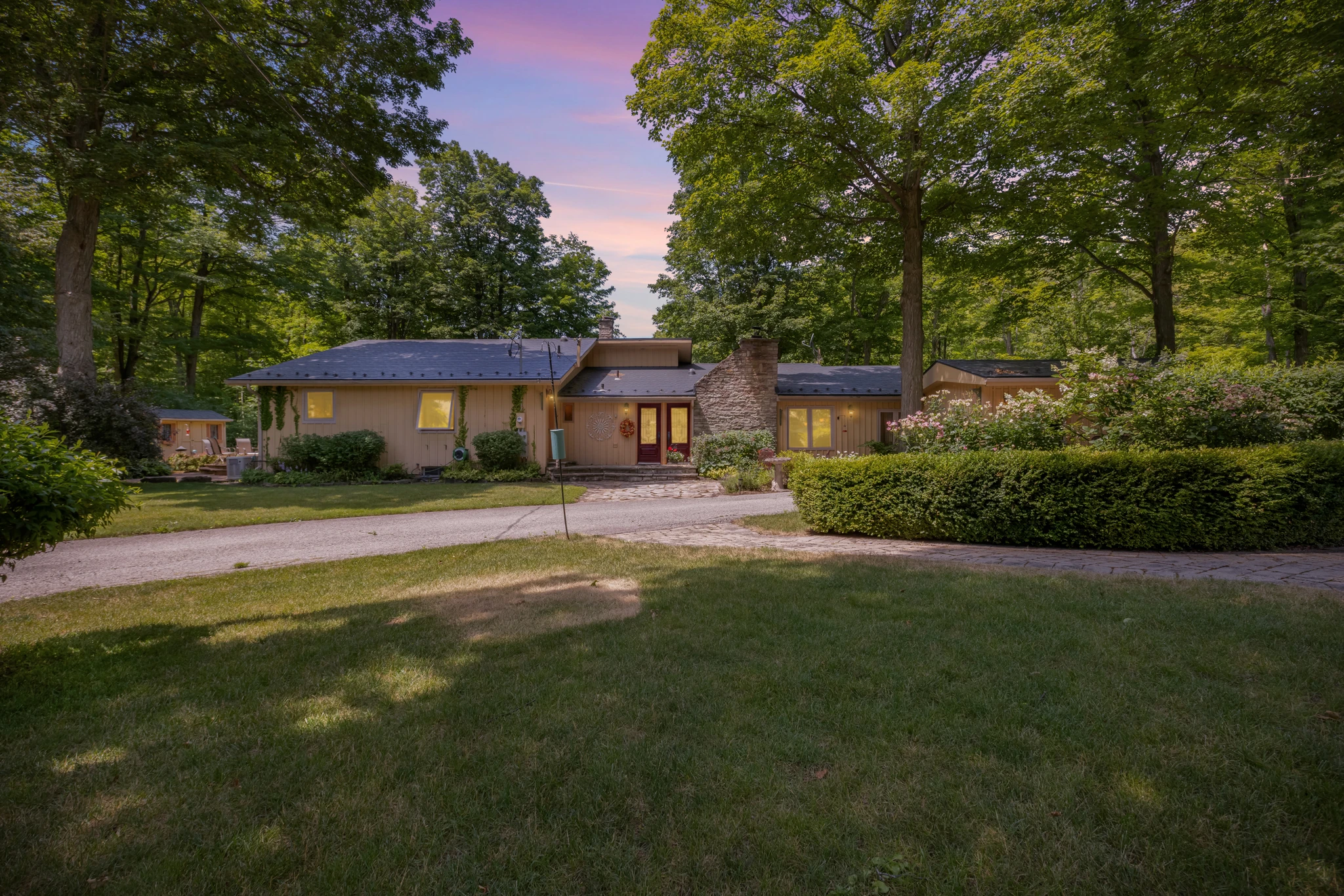
That is an aerial argument and, usefully, it is an argument the airspace usually allows, because Dundas and the western neighbourhoods sit well outside Hamilton International’s control zone. The frame that does the work is the high one: the lot, the tree line behind it, and the grade dropping away. Twilight pairs well with it, because these houses are large enough to read properly when they are lit.
The mountain
Subdivision stock on the mountain and out through Binbrook and Waterdown is a different job again, and much closer to Brampton than to Ancaster. Newer builds, comparable elevations, thin tree cover and full sun on the façade, which makes the direction the house faces the main scheduling decision.
Most of the mountain also sits inside Hamilton International’s control zone, so aerials there need an authorization rather than being assumed. Where they are not practical, the budget moves to interiors and a floor plan, which on a family subdivision home is where it earns most anyway.