
How Professional Listing Photography Helps GTA Realtors Win More Listings
Think about the last home you sold. Before anyone booked a showing, before your sign went in the ground, buyers had already decided how they felt about the place. They decided while scrolling on a couch, on a lunch break, in bed at 11pm. The listing photos were the showing, and most buyers made up their minds in a few seconds.
That is the part of the job that has quietly changed the most. Around 97% of buyers now start their search online, according to the National Association of Realtors, and they consistently rank the photos as the most useful part of a listing, ahead of the description and the agent details. The photos are not just marketing the home anymore. Until someone walks through the door, they are the home.
For a realtor working across the GTA, where a buyer might be comparing six listings in the same Mississauga pocket on the same evening, that first impression is the whole ballgame. Here is why the quality of those images matters more than most sellers realize, and how it ties directly to winning the listing in the first place.
The phone screen is a brutal place to make a first impression
Phone screens are small, bright, and fast. A buyer’s thumb moves quickly, and a listing has maybe a second or two to make them stop. A dim living room, a window blown out to pure white, a wide angle that bends the kitchen, a crooked horizon: none of these register to a buyer as bad photography. They just feel like a home that is somehow less appealing, and the buyer scrolls on without quite knowing why.
This is the trap with smartphone photos. Phones have gotten very good, and in a well-lit room they can look fine. The problem is the rooms that are not perfectly lit, which is most of them. A phone camera has to choose between showing the bright window or the darker interior, and it usually loses one or the other. The result is a flat photo, or a window that shows nothing but glare instead of the ravine view that should be selling the house.
What professional work actually fixes
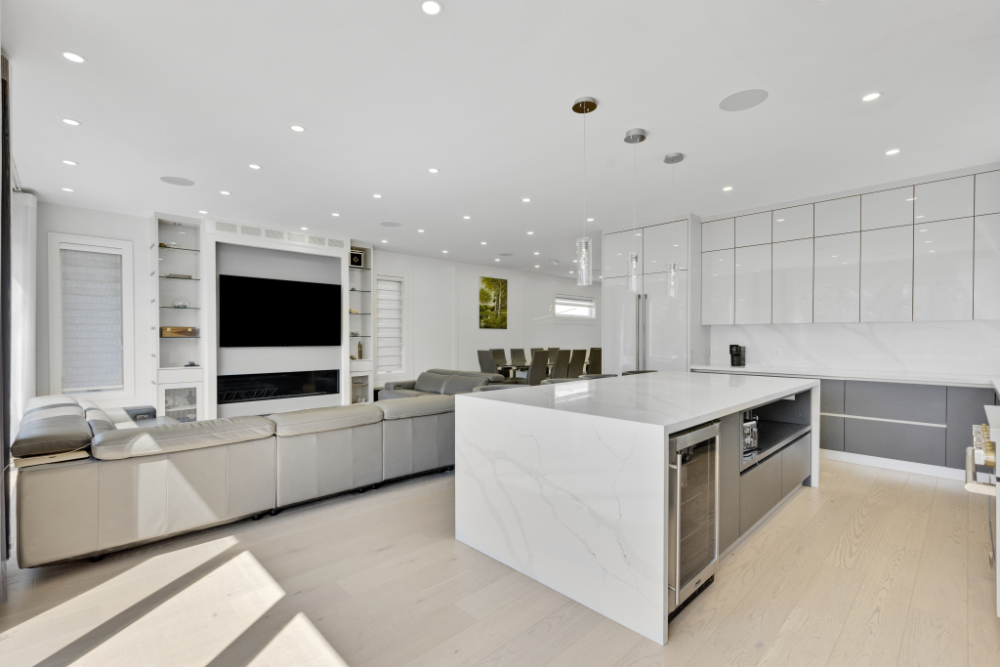
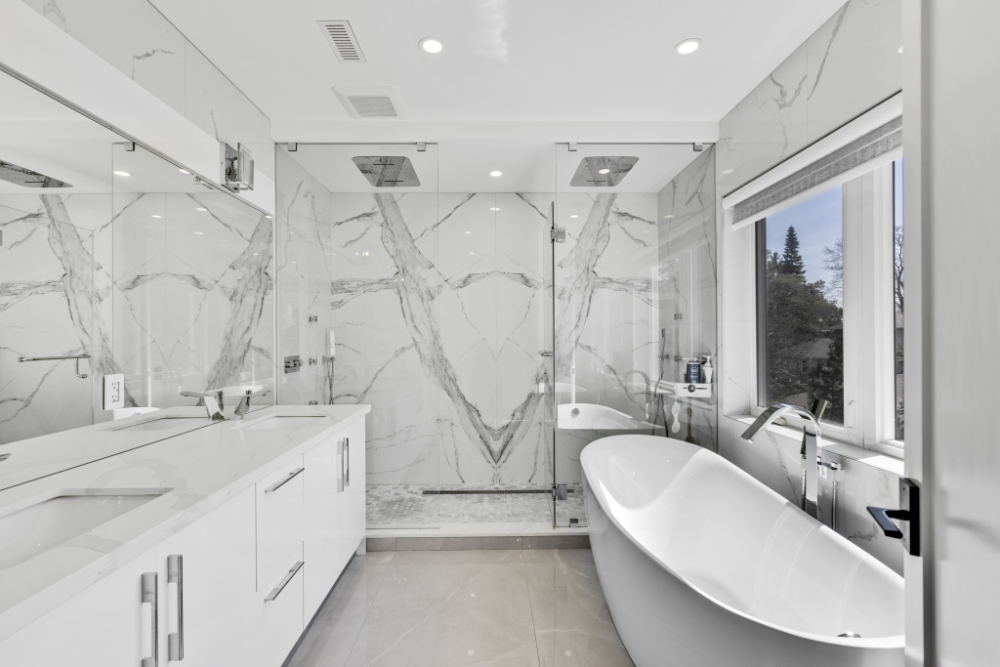
Good real estate photography is mostly about light and lenses, not filters. HDR work, which blends several exposures of the same room, holds detail in both the bright windows and the shadowed corners, so a buyer sees the view outside and the room inside at the same time. The right lens shows a room as wide as it feels in person without warping the walls. Careful composition and a level horizon make a space feel calm and intentional rather than cramped or chaotic.
Then there is the part that has nothing to do with the camera: knowing which angle sells a room, when the light is best, what to shoot and what to leave out. A small bedroom shot from the right corner feels like a retreat. The same room shot from the doorway feels like a closet. That judgment is the difference between photos that look like a listing and photos that look like a place someone wants to live.
Twilight shots are worth a mention too. A front exterior photographed at dusk, with warm light glowing in the windows and a deep blue sky behind, pulls attention in a feed full of flat midday photos. For a hero image, it is one of the most reliable ways to make a listing stand out.
The number your seller actually cares about
Sellers do not care about dynamic range. They care about two things: how fast the home sells and what it sells for. This is where you have a real argument to make.
A well-known Redfin study compared homes shot with professional cameras against comparable listings shot with point-and-shoot or phone cameras, and found the professionally shot homes sold for thousands of dollars more, with the premium growing at higher price points. The exact figure will always depend on the market and the property. The direction does not change. Better photos pull more views, more views bring more showings, and more showings create the competitive pressure that gets a home sold faster and closer to, or above, asking.
Frame it that way in your listing presentation and photography stops looking like a cost. It looks like what it is, which is one of the cheapest levers a seller has to protect their own net proceeds.
Your photos are also marketing you
Here is the part that is easy to miss. Every listing you put out lives on your website, your social feeds, and the portals long after it sells. A seller deciding which agent to hire will look at your past listings, and your photos are the clearest signal of how seriously you take the work. Bright, clean, well-composed listings tell a prospective seller that you invest in your clients and you know how to market a property. Dark, crooked phone photos tell them the opposite, no matter how good your pitch is.
Sellers of higher-priced homes already expect professional media. If you want those listings, where the commissions are worth the most, a consistent visual standard is part of how you earn them. Photos sell the house, and they quietly build the reputation that brings you the next one.
A few practical things that help
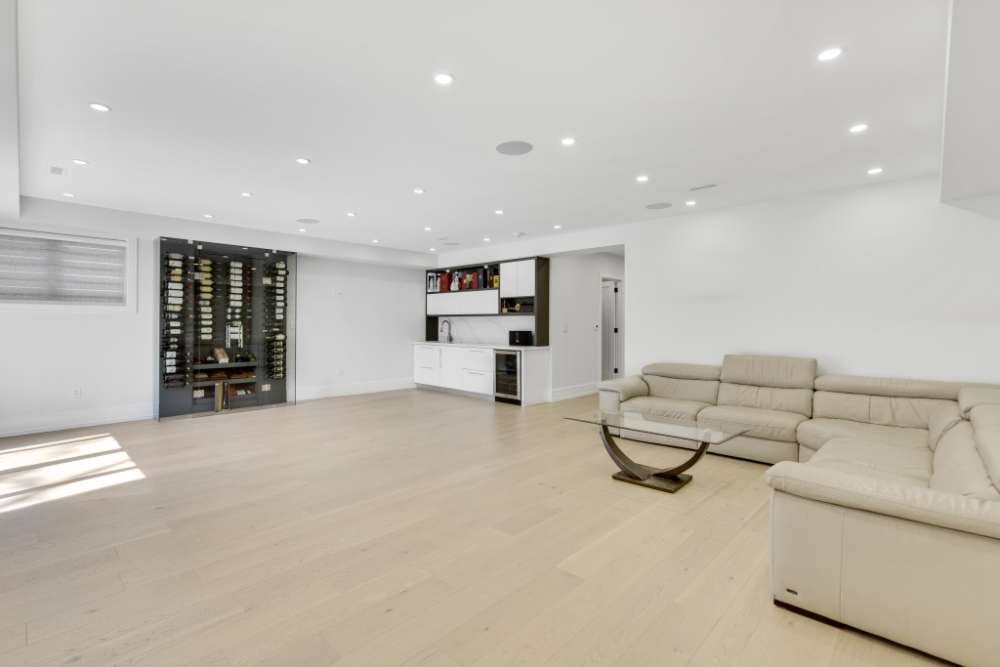
A complete set beats a thin one. Listings with a full gallery, usually around twenty or more images, give buyers enough to feel like they have toured the home, which makes them more likely to book the real thing. Sequence matters too: lead with your strongest exterior or twilight shot, then walk the buyer through the home in a logical order rather than a random shuffle.
Turnaround matters more than people think. A listing has the most energy the day it goes live. Getting your photos back quickly means you can launch while the home is fresh, instead of bleeding momentum waiting on edits.
None of this is about making a bad home look like something it is not. It is about presenting a good home at its best, on the small bright screen where buyers actually decide. In a market as busy as the GTA, that edge is often the difference between a listing that builds momentum and one that drifts into a price reduction. If your next listing deserves that edge, that is exactly the kind of work we do at RCG Canada Aerial Solutions across the Greater Toronto Area.